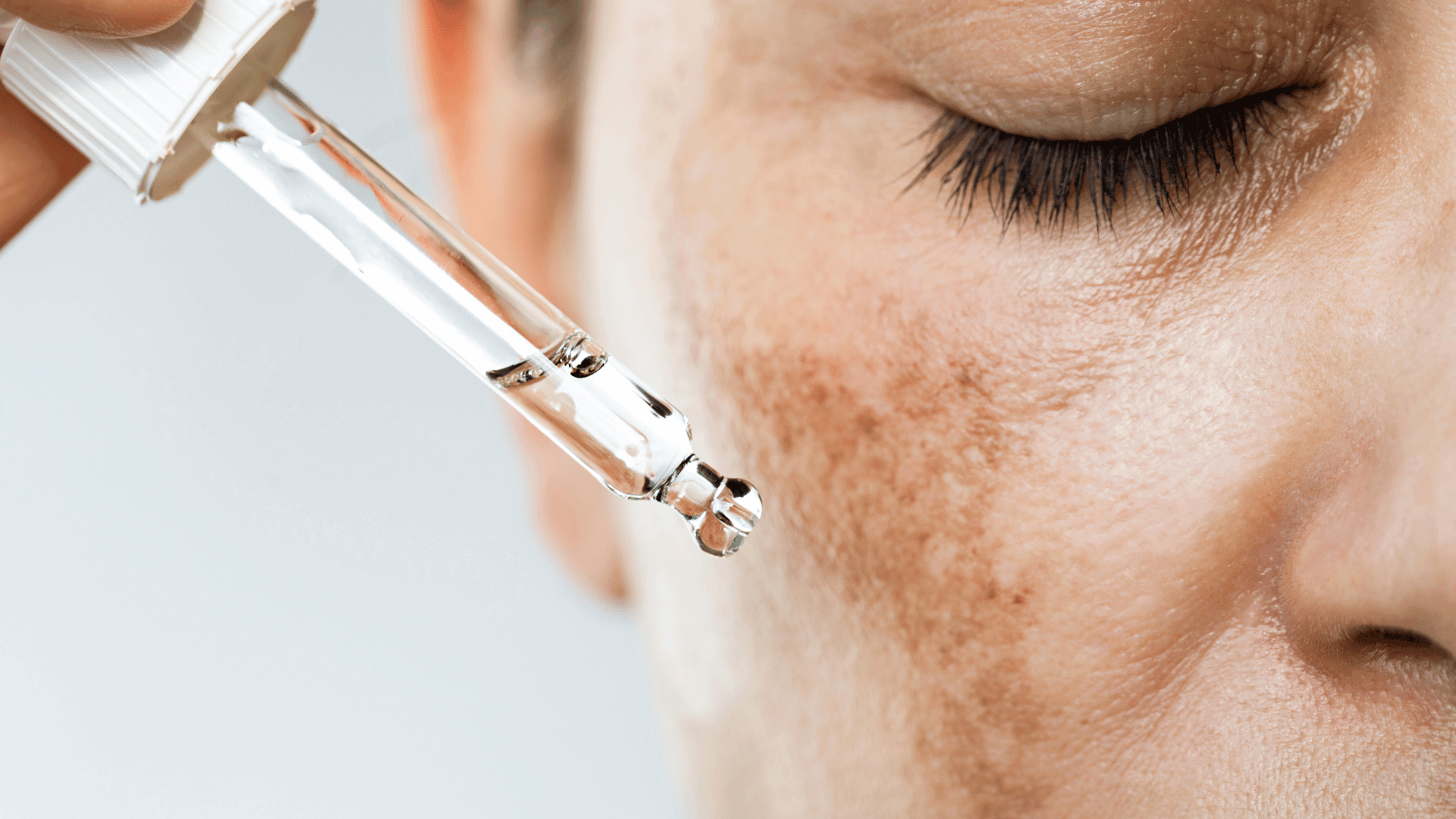
Melasma is a chronic skin hyperpigmentation caused by a combination of genetic predisposition, hormonal changes (pregnancy, contraceptives) and exposure to sunlight and visible light; it can improve a great deal with strict sun protection and combined medical treatments, but there is no definitive cure and it tends to come back, so it needs maintenance. At Centro Ubud, in La Carihuela (Torremolinos), we approach it as a long-term condition: a doctor assesses your skin, designs a realistic combined plan and supports you through maintenance so that the patches stay under control.
What exactly is melasma?
Melasma is a pigmentation disorder in which melanocytes, the cells that produce melanin, become “overactive” in certain areas of the face. The result is light brown, greyish-brown or coffee-coloured patches with irregular edges that are fairly symmetrical. The most typical areas are the cheeks, forehead, upper lip (the well-known “moustache”), nose and chin. Less often it appears on the chest, neck or forearms.
It is much more common in women, especially between the ages of 20 and 50, and in intermediate skin types (skin that tans easily). It is not dangerous, but it does affect how you look and feel.
Why does melasma appear?
There is no single cause. We now know that melasma is a multifactorial condition involving several elements at the same time:
- Genetic predisposition: many patients have mothers, sisters or aunts with melasma.
- Hormones: oestrogen and progesterone stimulate melanocytes. That is why it appears or worsens with pregnancy, hormonal contraceptives or some hormone therapies.
- Ultraviolet radiation: the sun is the main trigger and the main reason it gets worse. On the Costa del Sol, with so many hours of sunshine a year, this is especially relevant.
- Visible and infrared light: UV is not the only factor. Visible light (including blue light) and heat also activate pigmentation, particularly in darker skin.
- Skin changes: in melasma there are changes in the blood vessels of the dermis, low-grade inflammation and damage to the skin barrier that keep the problem active.
- Irritation and cosmetics: harsh products, perfumes or poorly indicated treatments can inflame the skin and make the patches worse.
How is melasma related to pregnancy?
During pregnancy hormone levels change a lot and the so-called “chloasma” or “mask of pregnancy” often appears. In some women it improves spontaneously in the months after giving birth, but in others it persists or returns in later pregnancies. During pregnancy and breastfeeding many depigmenting treatments are not indicated, so the priority is sun protection and a gentle routine; medical treatments are considered afterwards, following an individual assessment.
Is melasma the same as other facial dark spots?
No. Sun spots (lentigines), marks left after a spot or a wound (post-inflammatory hyperpigmentation) or some lesions that need monitoring can look similar at first glance. Telling them apart is key because the treatment is different, and what works for a lentigo can make melasma worse. If you are unsure about your type of spot, on our page on facial dark spot treatment in Torremolinos we explain how we tell them apart.
Can melasma be cured for good?
It is best to be honest from the start: melasma is chronic and recurrent. This means it can be lightened considerably and kept under control, but the tendency to pigment remains. A summer without protection, a hormonal change or a period of stress on the skin can bring the patches back. Be wary of any treatment that promises to get rid of it once and for all. Results vary from person to person and depend on the type of melasma, skin type, consistency and the initial medical assessment.
Free first consultation at Centro Ubud, La Carihuela (Torremolinos). Message us on WhatsApp.
How is melasma treated in Torremolinos?
The treatment that works best is a combined one: several tools acting on different mechanisms at the same time, always prescribed and supervised by a doctor. At Centro Ubud, an authorised medical clinic, we start with a free assessment in which the doctor analyses your patches, their depth, your skin type, your hormonal history and the treatments you have already tried. From there a personalised plan is designed, which may include:
Depigmenting home treatment
This is the foundation of everything. Creams are prescribed with active ingredients that reduce melanin production and calm inflammation, such as azelaic acid, niacinamide, kojic acid, vitamin C, retinoids or topical tranexamic acid. In some cases, and always under medical supervision and for limited periods, stronger depigmenting formulas are used.
Medical chemical peels
Superficial and medium peels, well chosen and carefully applied, help renew the surface layer of the skin and remove part of the accumulated pigment. With melasma the key is not to irritate: a peel that is too aggressive can cause exactly the opposite, more pigmentation.
Mesotherapy and intradermal treatments
Some depigmenting and antioxidant active ingredients can be applied directly into the dermis using micro-injections or micro-infusion techniques, improving skin quality and helping to control pigment.
Laser and light: do they work for melasma?
Some low-energy lasers can be useful as a complement, but they are not the first option and they are not for everyone. Used with the wrong settings, the heat can reactivate melanocytes and make melasma worse. That is why they are only considered after a medical assessment.
Oral treatment
In resistant melasma, the doctor may consider oral treatment with tranexamic acid. It is not suitable for everyone: it is contraindicated, among other cases, if you have a history of thrombosis, clotting disorders or certain cardiovascular risk factors, and it requires a full medical history.
If you would like to know in detail how we approach these protocols, you can read more on our page on melasma treatment in Torremolinos.
How can you stop melasma from coming back?
Maintenance is just as important as the initial treatment. These are the keys that make the biggest difference, especially if you live in Málaga, Benalmádena or anywhere on the Costa del Sol:
- Daily sun protection all year round: broad-spectrum sunscreen with a high factor, also in winter and on cloudy days. Ideally tinted (with iron oxides), because it protects against visible light.
- Reapply every 2–3 hours if you are outdoors, and wear a cap or wide-brimmed hat and sunglasses.
- Avoid intense heat: saunas, very hot kitchens or exercising in the midday sun can make the patches worse.
- Gentle routine: mild cleansers, moisturising and no harsh exfoliants or irritating products.
- Review hormonal treatments with your doctor if you notice they coincide with the worsening. Never stop them on your own.
- Maintenance treatment: many patients need to continue with a gentle depigmenting cream and the occasional touch-up session, especially before and after summer.
When should you see a doctor?
Ask for an assessment if your patches grow quickly, change colour or shape, itch, bleed or appear on only one side of the face. Also if you have been using creams without supervision for a while and your skin has become irritated or the patches have darkened. A patch that does not behave like typical melasma should be checked before starting any aesthetic treatment. If you are also concerned about spots in other areas, such as the chest, see our section on chest and décolletage spots in Torremolinos. To book your free assessment, message us on WhatsApp.
Frequently asked questions
Does melasma go away on its own?
Sometimes it improves after pregnancy or after stopping a hormonal contraceptive, but in most cases it persists if it is not treated and the skin is not protected. Even so, how it evolves varies greatly.
How many sessions are needed to improve melasma?
It depends on each case. The usual approach is to combine home treatment for several months with spaced-out sessions at the clinic. The doctor will give you an approximate plan after the assessment, bearing in mind that results vary from person to person.
Can I treat melasma in summer?
Home treatment and some gentle procedures can be continued, but stronger peels and laser are usually kept for the months with less sun. In summer the priority is strict sun protection.
Can I treat melasma during pregnancy or breastfeeding?
Many depigmenting agents and oral treatment are not indicated at this stage. The recommendation is sun protection, a gentle routine and waiting until breastfeeding has finished to consider a full medical treatment.
Why do my patches come back after treatment?
Because melasma is chronic: the skin keeps its tendency to pigment. Sun exposure, heat or hormonal changes can reactivate it. A good maintenance plan greatly reduces relapses, although it does not eliminate them completely.
Free first consultation at Centro Ubud, La Carihuela (Torremolinos). Message us on WhatsApp.

Written and reviewed by the medical team at Centro Ubud, an aesthetic medicine, advanced aesthetics and physiotherapy clinic in La Carihuela, Torremolinos.
This article is for information only and does not replace an individual assessment by a healthcare professional.