Circulation
What lies behind poor circulation?
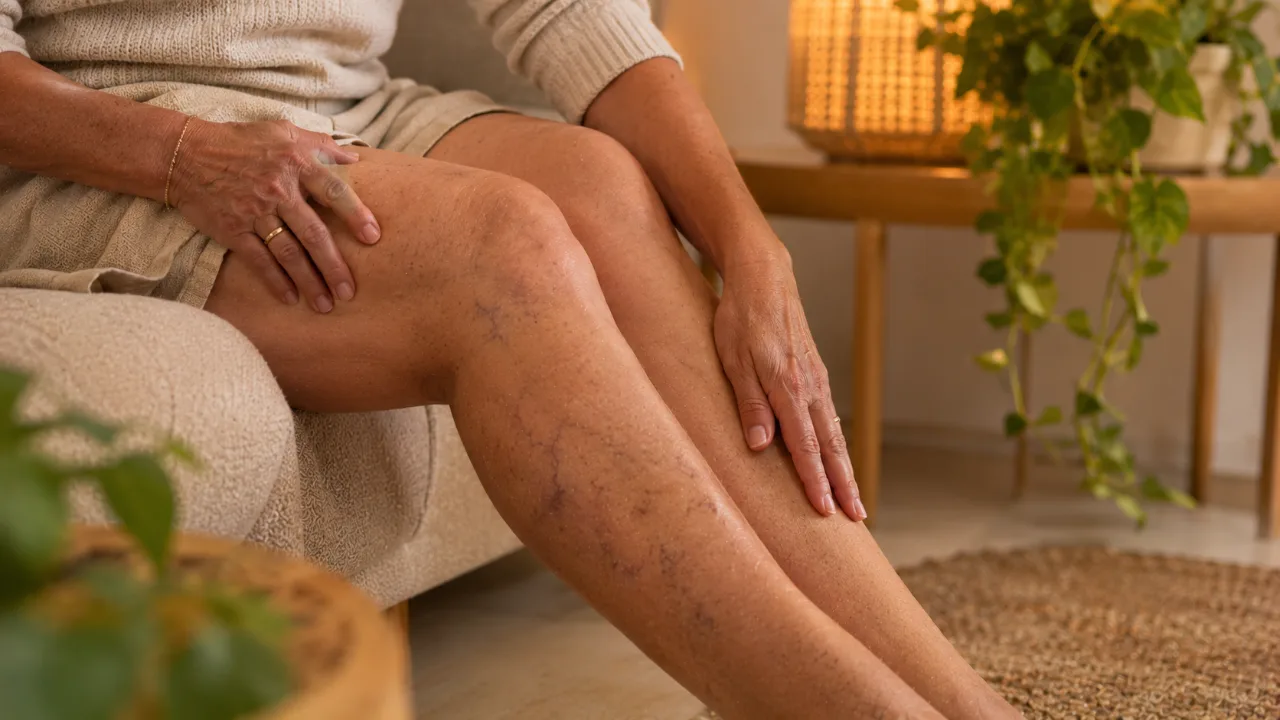
“Poor circulation” is a phrase we use for many different complaints: tired, heavy legs, swollen ankles, varicose veins, cold hands and feet, fingers that change colour in the cold, or pins and needles. Each can have a different origin — venous, arterial, lymphatic or in the small vessels — and they are not all managed the same way.
What’s more, swollen legs are not always a circulation problem: they can be related to the heart, kidneys, thyroid, hormonal changes, hot weather, long hours standing or sitting, or some medicines, such as certain blood pressure tablets. And hands that go numb sometimes have a nerve origin, such as carpal tunnel syndrome. That is why the first step is a thorough medical assessment.
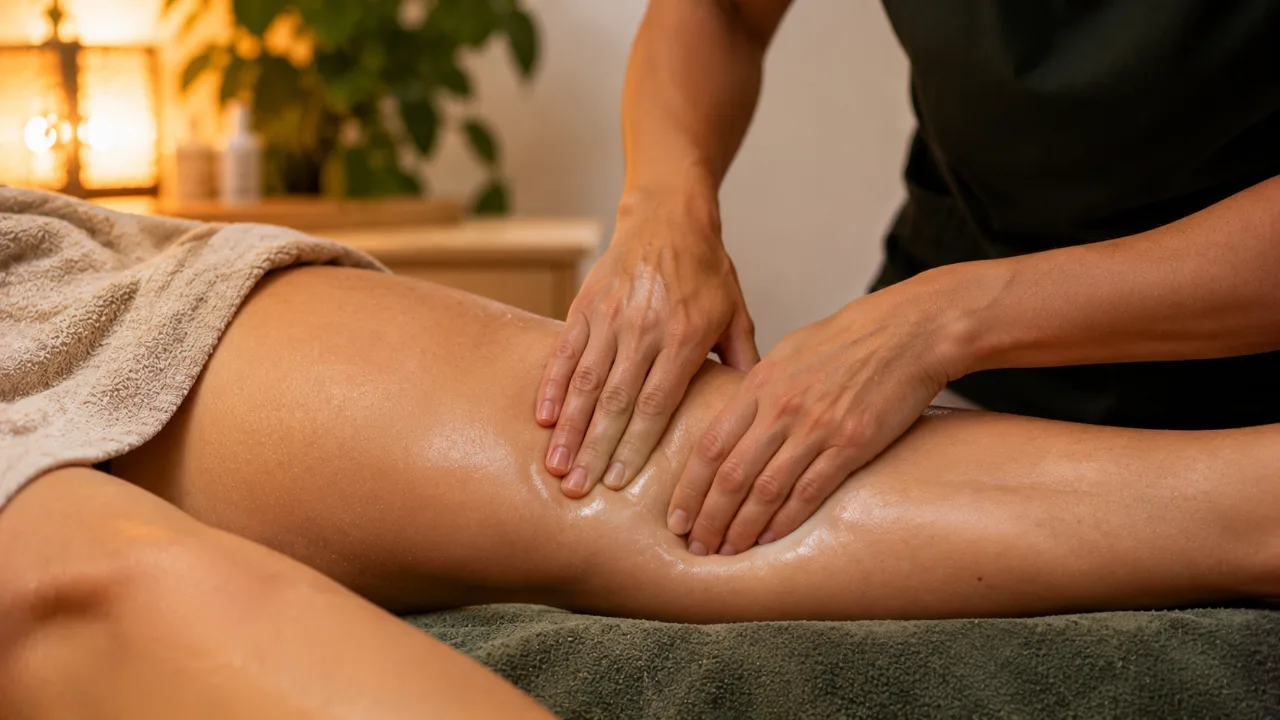
At Centro Ubud, in La Carihuela (Torremolinos), Dr Paloma Gómez, a doctor with an integrative approach — medical assessment, clinical nutrition and lifestyle, close to what many people call functional or integrative medicine — reviews your history, blood tests and medication, and suggests a plan for movement, diet and habits, coordinated with our physiotherapists for lymphatic drainage or decongestive therapy when indicated. It does not replace your medical treatment: it complements it, and it is coordinated with your doctor or vascular specialist.
Does this sound like you?
- Your legs feel heavy, tired or swollen, especially at the end of the day or in the heat.
- Your socks leave marks and your ankles look better in the morning than at night.
- You have varicose or spider veins that keep coming back.
- Your hands and feet are always cold, or your fingers turn white or purple in the cold.
- You have been diagnosed with lymphoedema or have swelling after surgery or cancer treatment.
If just one leg suddenly swells, hurts, feels hot or looks red, it could be a deep vein thrombosis: go to A&E. If you are also short of breath or have chest pain, call 112. Wounds that won’t heal or leg pain when walking that forces you to stop also need a vascular assessment.