If your whole body has been aching for weeks or months, the cause is rarely a single injury. It is usually a combination of factors: a nervous system that has become more sensitive to pain (central sensitisation), chronic low-grade inflammation, poor sleep, ongoing stress and little physical activity, sometimes alongside medical causes that should be ruled out with blood tests and an examination. At the Integrative Medicine consultation at Centro Ubud, in La Carihuela (Torremolinos), we approach it with a full medical assessment and a plan that combines diet, sleep, stress management and guided exercise with our physiotherapists.
Why does my whole body hurt and why am I so tired?
Widespread pain with fatigue is one of the most common reasons people see a doctor, and also one of the most frustrating: many people have spent a long time hearing that “the tests are fine” while they still feel exhausted and sore. Normal test results do not mean the pain is imaginary.
The most common causes include:
- Nociplastic pain or central sensitisation: the nervous system amplifies signals, and normal stimuli are felt as painful. It is the main mechanism in fibromyalgia.
- Chronic low-grade inflammation, linked to a sedentary lifestyle, excess abdominal fat, a highly processed diet, smoking or lack of sleep.
- Hormonal and metabolic disorders: hypothyroidism, vitamin D or iron deficiency, diabetes or the changes of menopause.
- Rheumatic or autoimmune diseases, such as rheumatoid arthritis, polymyalgia rheumatica or lupus, which need specific medical diagnosis and treatment.
- Effects of some medicines or recent viral infections.
- Poor-quality sleep, stress, anxiety or low mood, which lower the pain threshold and increase fatigue.
What is nociplastic chronic pain or central sensitisation?
We speak of chronic pain when it lasts more than three months. In some cases it comes from a specific injury or disease; in others, the pain persists because the nervous system has changed the way it processes information. This is known as nociplastic pain, and one of its mechanisms is central sensitisation.
Imagine a house alarm that goes off with every draught. There is no burglar, but the noise is real. In the same way, nociplastic pain is real, even though there is no tissue damage proportional to what you feel. It is often accompanied by tiredness, unrefreshing sleep and difficulty concentrating.
What are the symptoms of chronic inflammation?
Acute inflammation is a useful response of the body to an injury or an infection. The problem arises when mild inflammation persists over time, silently. This chronic low-grade inflammation does not cause specific symptoms, but it is associated with:
- Persistent tiredness and a feeling of a “heavy body”.
- Diffuse joint and muscle aches.
- Morning stiffness.
- Digestive discomfort and abdominal bloating.
- Higher long-term cardiovascular and metabolic risk.
There is no single test that measures it reliably, which is why a medical assessment is key to distinguishing between low-grade inflammation linked to lifestyle and an inflammatory disease that needs different treatment.
Integrative medicine consultation in person at Centro Ubud (La Carihuela, Torremolinos) or online by video call. Book your first visit on WhatsApp.
Which tests should you have if your whole body hurts?
At the first consultation, the doctor reviews your full history: when the pain started, what it is like, what makes it worse or better, how you sleep, what you eat, your stress levels, your medical background and the medication you take. She then carries out a physical examination and, if necessary, requests tests such as:
- Full blood count, biochemistry and inflammation markers (ESR, CRP).
- Thyroid function, glucose and lipid profile.
- Vitamin D, iron, ferritin and vitamin B12.
- CK (a muscle enzyme) and, depending on the case, autoimmunity tests or rheumatoid factor.
If the results point to a rheumatic, endocrine or other condition, we refer you to the appropriate specialist. This approach does not replace your medical treatment: it complements it, and it is always coordinated with your GP or your specialists.
How are chronic pain and inflammation approached in Torremolinos?
At Centro Ubud, the Integrative Medicine consultation is run by Dr Paloma Gómez, a medical doctor with training in nutrition and integrative medicine and the author of a popular book on fibromyalgia. The approach to chronic pain and inflammation rests on several scientifically supported pillars, adapted to each person.
Anti-inflammatory diet
There are no miracle foods, but there is a pattern with good evidence: the Mediterranean diet. In practice:
- Vegetables at lunch and dinner, and whole fruit every day.
- Pulses several times a week and wholegrain cereals.
- Extra virgin olive oil as your main fat.
- Fish, especially oily fish, and a handful of nuts.
- Fewer ultra-processed foods, added sugars, cured meats and less alcohol.
If you also have digestive symptoms, they are assessed medically: irritable bowel syndrome may benefit from a supervised, temporary low-FODMAP diet, and problems such as SIBO or H. pylori infection are diagnosed and treated medically. Weight management, when needed, also helps reduce the inflammatory load.
Restorative sleep
Sleeping badly increases sensitivity to pain, and pain worsens sleep. To break that cycle:
- Keep regular times for going to bed and getting up, weekends included.
- Get natural light in the morning, for example with a walk by the sea.
- Cut down on screens at night, caffeine in the afternoon and heavy dinners.
If insomnia persists, cognitive behavioural therapy for insomnia (CBT-I) is the first-line treatment according to clinical guidelines.
Stress management
Ongoing stress keeps the body’s alarm system switched on. Techniques such as slow breathing, mindfulness, gentle yoga or psychological support, when needed, help to lower that activation and to live better with pain.
Guided exercise with physiotherapy
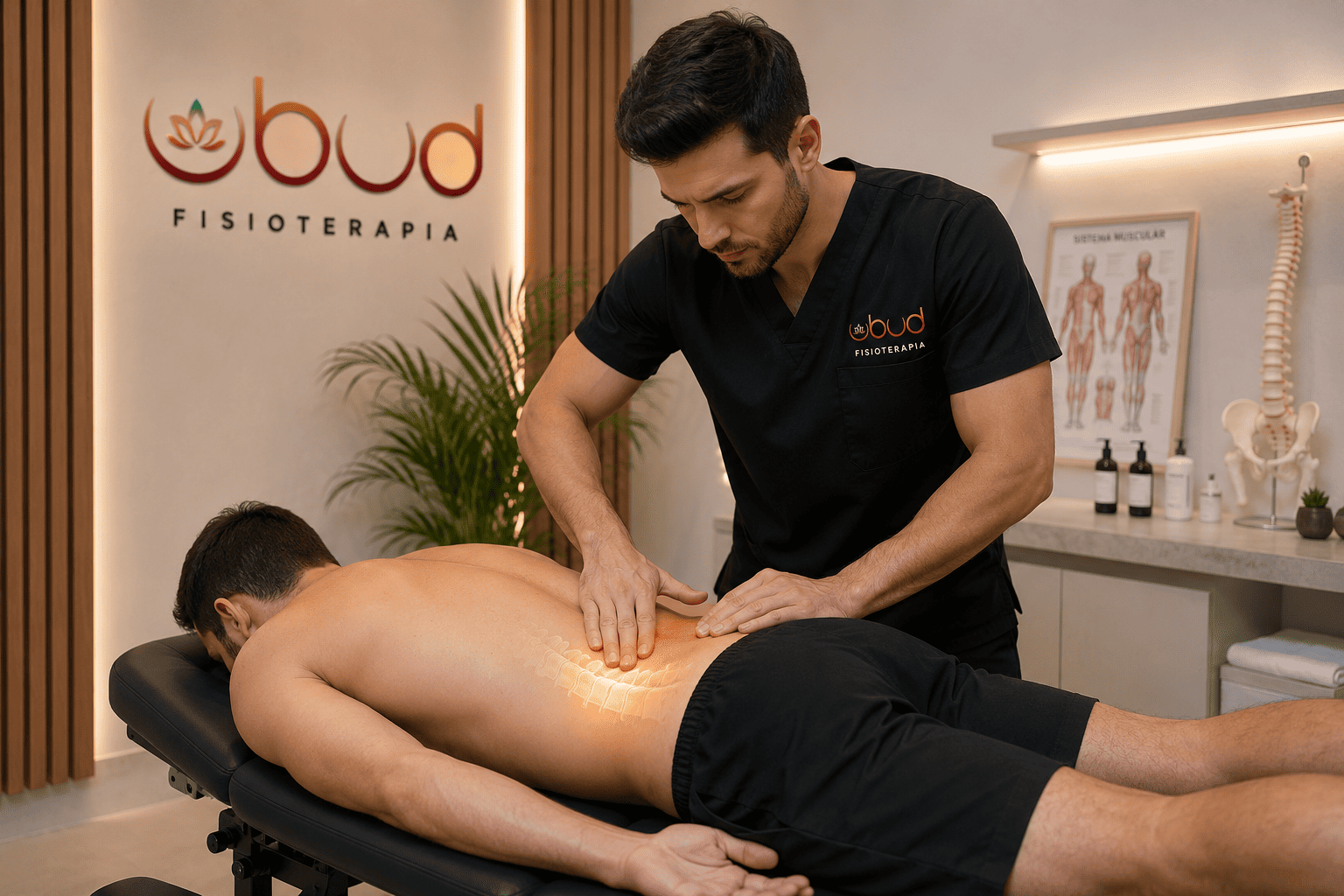
Exercise is the intervention with the strongest evidence in fibromyalgia and widespread chronic pain, but it has to be progressive and adapted: starting too hard often triggers a flare-up and ends in giving up. That is why the doctor works alongside our physiotherapists, who carry out a thorough diagnosis and clinical reasoning, use manual therapy when necessary and design a tailored therapeutic exercise programme: walking, gentle strength work, mobility and low-intensity aerobic exercise, increasing the load little by little.
What can you do today if your whole body hurts?
- Keep a simple diary of pain, sleep, energy and activity: it helps to identify patterns.
- Walk every day, even if only for a few minutes, without waiting to “feel well”.
- Alternate activity and rest so you do not swing from doing too much to doing nothing.
- Do not change your medication on your own: always discuss it with the doctor who prescribed it.
When should you see a doctor or go to A&E?
Book an appointment with your doctor without delay if widespread pain comes with any of these signs:
- Fever, chills or night sweats.
- Unexplained weight loss.
- Real muscle weakness: difficulty getting up from a chair, climbing stairs or combing your hair.
- Swollen, warm or red joints.
- A new headache with pain in the shoulders and hips, especially over the age of 50.
- Pain that wakes you at night and does not ease with rest, or a history of cancer.
Go to A&E if you notice chest pain, shortness of breath, changes in vision, loss of strength or sensation, problems passing urine, or very intense muscle pain with dark urine after exertion.
Frequently asked questions
Is it normal for my whole body to hurt without exercising?
It is not what you would expect and it deserves an assessment. It may be due to poor rest, stress, nutritional deficiencies, hormonal disorders, infections or central sensitisation. A good medical history and blood tests help to point to the cause.
Is fibromyalgia the same as chronic inflammation?
No. Fibromyalgia is a form of nociplastic pain, in which the nervous system processes pain in an amplified way; it is not an inflammatory disease. Even so, looking after the habits that reduce low-grade inflammation usually helps you feel better.
Does an anti-inflammatory diet take the pain away?
Diet alone does not solve it, but it is part of the plan. Together with exercise, good sleep and stress management, it can help improve energy and quality of life. The response varies from person to person and depends on the assessment.
What is the first Integrative Medicine consultation like?
It is an in-person medical consultation in La Carihuela, Torremolinos, in which your history, previous tests and habits are reviewed, an examination is carried out and the necessary investigations are decided. A personalised plan is then designed, coordinated with physiotherapy if you need it. To book, message us on WhatsApp.
Can I come if I live in Málaga or Benalmádena?
Yes. We see patients from Torremolinos, Benalmádena, Málaga and the whole Costa del Sol. Consultations are in person so that a complete examination can be carried out.
Integrative medicine consultation in person at Centro Ubud (La Carihuela, Torremolinos) or online by video call. Book your first visit on WhatsApp.

Written and reviewed by the medical team at Centro Ubud, an aesthetic medicine, advanced aesthetics and physiotherapy clinic in La Carihuela, Torremolinos.
This article is for information only and does not replace an individual assessment by a healthcare professional.