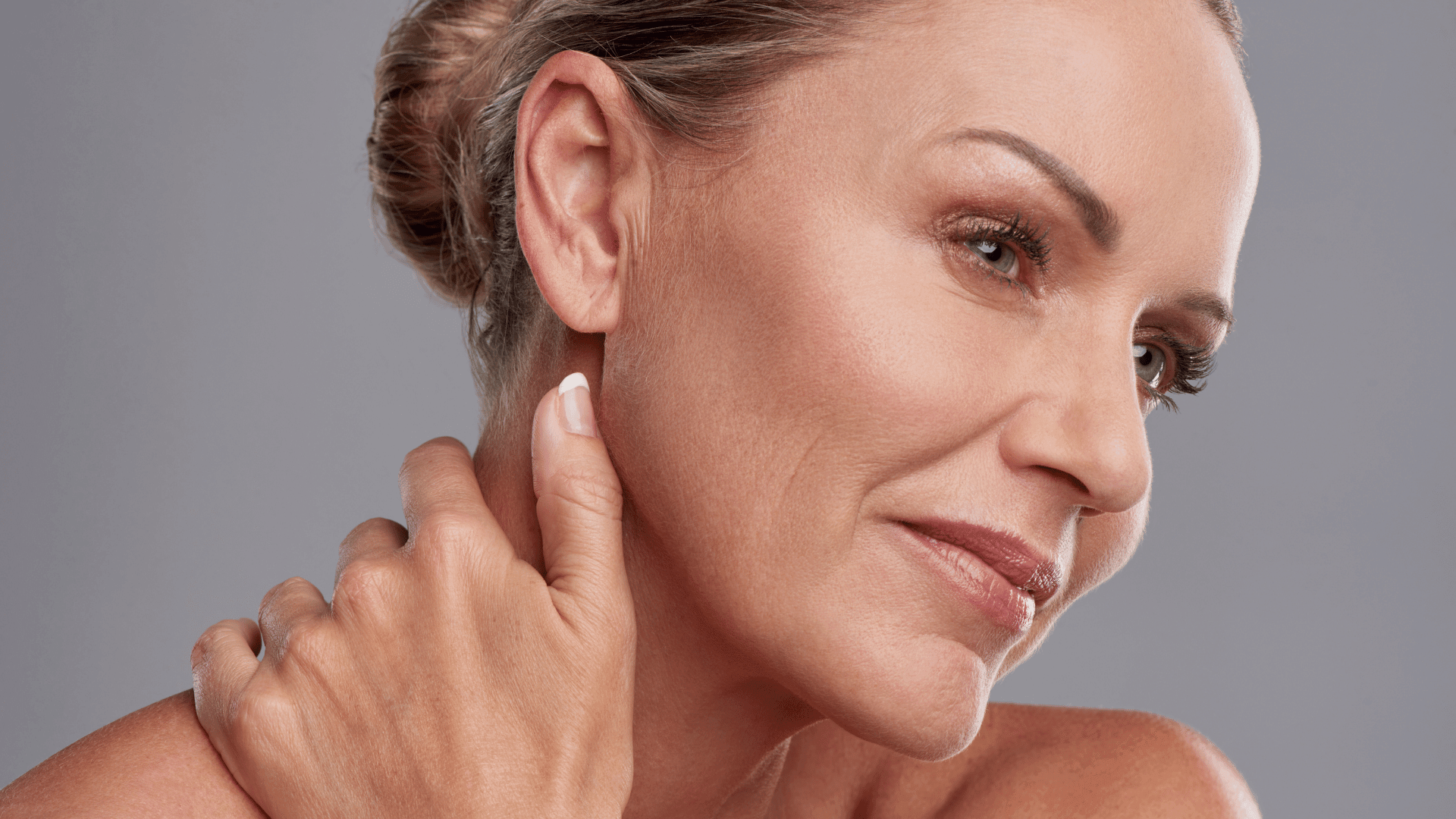
IPL photorejuvenation is a medical treatment using intense pulsed light that improves sun spots, redness, thread veins and signs of photoageing by acting on pigment and the small blood vessels in the skin, usually over 3 to 5 sessions spaced 3 to 4 weeks apart. At Centro Ubud, in La Carihuela (Torremolinos), it is performed by a doctor after a free facial assessment in which we study your skin, your phototype and whether IPL is genuinely the best option for you.
What is IPL and how does it work?
IPL stands for intense pulsed light. Unlike a laser, which emits a single wavelength, IPL emits a broad-spectrum beam of light, roughly between 500 and 1200 nanometres, delivered in very short pulses through a handpiece placed on the skin. You can see how we use it on our IPL photorejuvenation in Torremolinos page.
That light turns into heat when it is absorbed by specific structures called chromophores: the melanin in pigmented spots and the haemoglobin in dilated capillaries. This is the principle of selective photothermolysis: what we want to treat is heated, while the surrounding skin is spared as far as possible. Spots darken and gradually clear, and the tiny vessels coagulate and are reabsorbed by the body.
What are IPL filters for?
IPL devices use cut-off filters that block the shorter wavelengths. Choosing the right filter makes it possible to target pigment, vessels or both, and to adjust depth and safety to your skin type. That is why the settings (filter, energy, pulse duration) are not the same for everyone: the doctor personalises them at every session.
What does IPL photorejuvenation treat?
IPL is especially useful for skin with accumulated sun damage, something very common on the Costa del Sol. Its main indications are:
- Sun spots (solar lentigines) on the face, neck, décolletage and backs of the hands.
- Diffuse redness and uneven skin tone.
- Couperose and facial telangiectasias (small visible capillaries on the cheeks and nose).
- Rosacea, in its redness and vessel component, as part of a broader medical approach.
- Photoageing: dull texture, more visible pores and loss of radiance. The gentle heat moderately stimulates collagen production.
If spots are your main concern, we also recommend reading our page on facial pigmentation treatment in Torremolinos, where we explain the different options depending on the type of spot.
Does IPL work for melasma?
It is worth being clear here: IPL is not the first-choice treatment for melasma. Melasma is a hormone-related pigmentation that is very sensitive to heat and inflammation, and light can worsen it or trigger flare-ups if it is not properly indicated. In selected cases it may be used with great caution and combined with other measures, but the usual approach is to start with strict sun protection, topical treatment and other techniques. You will find more information on our melasma in Torremolinos page.
This is why the prior assessment matters so much: not all spots are the same, and telling a solar lentigo apart from melasma (or from a lesion that a dermatologist should check) completely changes the treatment.
How many IPL sessions are needed?
The most common protocol is 3 to 5 sessions spaced 3 to 4 weeks apart. Some isolated spots improve a great deal with just a few sessions, whereas couperose or rosacea usually need more and, sometimes, maintenance sessions once or twice a year.
Each session lasts roughly 20 to 40 minutes depending on the area. A cool gel is applied, the eyes are protected and the pulses are delivered. The sensation is often described as a small elastic-band snap with warmth, tolerable in most cases. Results vary from person to person and depend on the type of lesion, the skin and the aftercare.
Free first consultation at Centro Ubud, La Carihuela (Torremolinos). Message us on WhatsApp.
When is the best time of year for IPL in Málaga?
The best time is from autumn to spring. IPL must not be applied to tanned skin, and direct sun must be avoided after each session. In Torremolinos, Benalmádena or anywhere on the Costa del Sol, with so much light in summer, starting in autumn lets you complete the protocol before beach season. November is, in fact, a perfect time to begin.
What care is needed before and after IPL?
Before the session
- Avoid sunbathing and self-tanners for at least 3 to 4 weeks.
- Tell the doctor about any medication, especially if it is photosensitising.
- Stop harsh exfoliants and topical retinoids a few days beforehand, if advised.
After the session
- Some redness and mild swelling for a few hours or a couple of days is normal.
- Treated spots darken and form small, fine crusts, like “coffee grounds”, which fall off on their own within 7 to 10 days. Do not pick them.
- Use a broad-spectrum SPF 50 sunscreen every day and reapply it, even when it is cloudy.
- Moisturise with gentle products and avoid intense heat (sauna, very demanding exercise) for the first 24–48 hours.
As with any medical procedure, uncommon side effects can occur, such as blisters, temporary pigment changes or, very rarely, small marks. Choosing carefully who is treated and with which settings is the best way to reduce that risk.
Who should not have IPL? Contraindications
IPL is not suitable, or requires special caution, in these situations:
- Tanned skin or recent sun exposure.
- Dark phototypes (very dark or black skin), due to a higher risk of burns and pigmentation.
- Pregnancy and breastfeeding.
- Treatment with oral isotretinoin (for acne) in recent months, or other photosensitising drugs such as some antibiotics.
- Active infections, cold sores in the area or open wounds.
- Suspicious or changing pigmented lesions: these should first be assessed by a dermatologist.
- Photosensitive epilepsy or conditions that worsen with light.
If any spot has changed in shape, colour or size, bleeds or itches, see your doctor before any aesthetic treatment.
How do we approach IPL at Centro Ubud, Torremolinos?
At Centro Ubud, IPL is performed by a doctor in an authorised medical clinic in La Carihuela. Everything starts with a free facial assessment: we review your spots and redness, your phototype, your medication and your expectations, and we tell you honestly whether IPL suits you, how many sessions you would need and what natural results you can expect.
Depending on your case, we sometimes combine it with other facial rejuvenation techniques to work on texture and firmness as well. If you would like to book your assessment, message us on WhatsApp.
Frequently asked questions
Does IPL hurt?
You feel brief warmth and a snap with each pulse, but most people tolerate it well. The cool gel and the handpiece cooling system help make it more comfortable.
Can I go about my normal life after IPL?
Yes. You can return to your activities the same day. You will have some redness and the spots will look darker for a few days; you can wear light make-up unless the doctor advises otherwise.
When are IPL results visible?
Spots usually lighten within one or two weeks after each session, and the improvement in redness and texture becomes progressively visible over the course of the protocol. Results vary from skin to skin.
Can the spots come back?
Yes. IPL treats existing spots, but the sun can produce new ones. Daily sun protection and the occasional maintenance session help preserve the improvement.
Is IPL better than a chemical peel?
It depends on what you want to treat. IPL stands out for sun spots and redness; a chemical peel may be better for texture, pores or some cases of melasma. At the free assessment we will advise you on the most suitable option.
Can the décolletage and hands be treated?
Yes. As well as the face, IPL is frequently used on the neck, décolletage and backs of the hands, areas highly exposed to the sun that also show spots and photoageing.
Free first consultation at Centro Ubud, La Carihuela (Torremolinos). Message us on WhatsApp.

Written and reviewed by the medical team at Centro Ubud, an aesthetic medicine, advanced aesthetics and physiotherapy clinic in La Carihuela, Torremolinos.
This article is for information only and does not replace an individual assessment by a healthcare professional.