Fibromyalgia is a chronic widespread pain syndrome that usually comes with tiredness, unrefreshing sleep and difficulty concentrating; it is diagnosed clinically, after ruling out other causes, and what has the most evidence for improving quality of life is adapted, progressive exercise, together with pain education, good sleep habits and, when needed, medical treatment. In the Integrative Medicine consultation at Centro Ubud, in La Carihuela (Torremolinos), we approach it in a coordinated way between our doctor and physiotherapists, adding sleep, diet and lifestyle to your usual treatment.
What is fibromyalgia and why does it hurt so much?
Fibromyalgia is not “all in your head”, nor is it a problem of the muscles themselves. Today it is understood as a condition in which the nervous system processes pain signals in an amplified way, known as central sensitisation. That is why it hurts in many areas at once, the pain threshold is lower and stimuli that used to be normal —a tight hug, the cold, a long working day— feel uncomfortable or painful.
It is more common in women, often coexists with anxiety, irritable bowel syndrome or migraine, and gets worse with stress, poor rest and inactivity.
What are the symptoms of fibromyalgia?
- Widespread pain for more than three months, on both sides of the body, above and below the waist and in the back.
- Fatigue out of proportion to the effort made.
- Unrefreshing sleep: you wake up as tired as, or more tired than, when you went to bed.
- Morning stiffness and a feeling of swelling without visible inflammation.
- Cognitive problems (the so-called “fibro fog”): memory lapses, difficulty concentrating or finding words.
- Tingling, sensitivity to cold, noise or light, headaches and digestive discomfort.
- Low mood or anxiety, often as a consequence of living with pain.
How is fibromyalgia diagnosed?
There is no blood test or imaging scan that “comes back positive” for fibromyalgia. The diagnosis is clinical: the doctor assesses how widespread the pain is, the intensity of the fatigue, sleep and cognitive symptoms following international criteria, such as those of the American College of Rheumatology, and checks that the symptoms have lasted at least three months.
Just as important is ruling out other causes that can look similar: hypothyroidism, anaemia or low iron, vitamin D deficiency, inflammatory rheumatic diseases, polymyalgia rheumatica, sleep apnoea or the effects of a medication. That is why blood tests are usually requested. Having fibromyalgia does not exclude having another illness, and any new symptom deserves to be checked.
Which doctor treats fibromyalgia?
The starting point is usually your GP, who can guide the diagnosis and refer you to a rheumatologist when there are doubts or rheumatic diseases need to be ruled out. In specific cases neurology, mental health or sleep specialists are also involved.
The European EULAR recommendations propose a stepped, multidisciplinary approach: education and exercise first and then, depending on each case, psychological therapies, medication or combined programmes. This is where an Integrative Medicine consultation like the one at Centro Ubud fits in, which does not replace your medical treatment: it complements it. We review your full history, sleep, diet, stress and physical activity, and coordinate a plan with our physiotherapists and, when appropriate, with your GP or rheumatologist. Any change to your medication is always decided with whoever prescribed it.
Dr Paloma Gómez, a doctor trained in nutrition and integrative medicine, has worked with chronic pain for years and is the author of a popular-science book on fibromyalgia (RBA, 2008). You can read more about how we work on our page on fibromyalgia in Torremolinos.
Integrative medicine consultation in person at Centro Ubud (La Carihuela, Torremolinos) or online by video call. Book your first visit on WhatsApp.
Which exercises are recommended for fibromyalgia?
Exercise is the recommendation with the strongest scientific backing in fibromyalgia and the only one EULAR rates as “strong”. It helps with pain, physical function, tiredness and mood. The key is not to do a lot, but to do it in an adapted, regular and progressive way.
What kind of exercise?
- Gentle aerobic exercise: walking, a stationary bike, swimming or exercise in warm water. In Torremolinos, Benalmádena or anywhere on the Costa del Sol, a stroll along the seafront promenade is a good start.
- Strength: bodyweight exercises, resistance bands or light weights, two or three days a week.
- Mobility and mind-body: gentle stretching, yoga, tai chi or adapted Pilates, which also help regulate stress.
How do you start without triggering a flare-up?
- Start below what you think you can do: ten minutes every day is better than an hour one day and three days on the sofa.
- Increase little by little, only when the current dose feels comfortable.
- It is normal to feel a little more discomfort at first; if it lasts more than a day or is intense, reduce the load, but do not give up.
- On bad days, do a minimal version (gentle mobility, a short walk) so you do not break the habit.
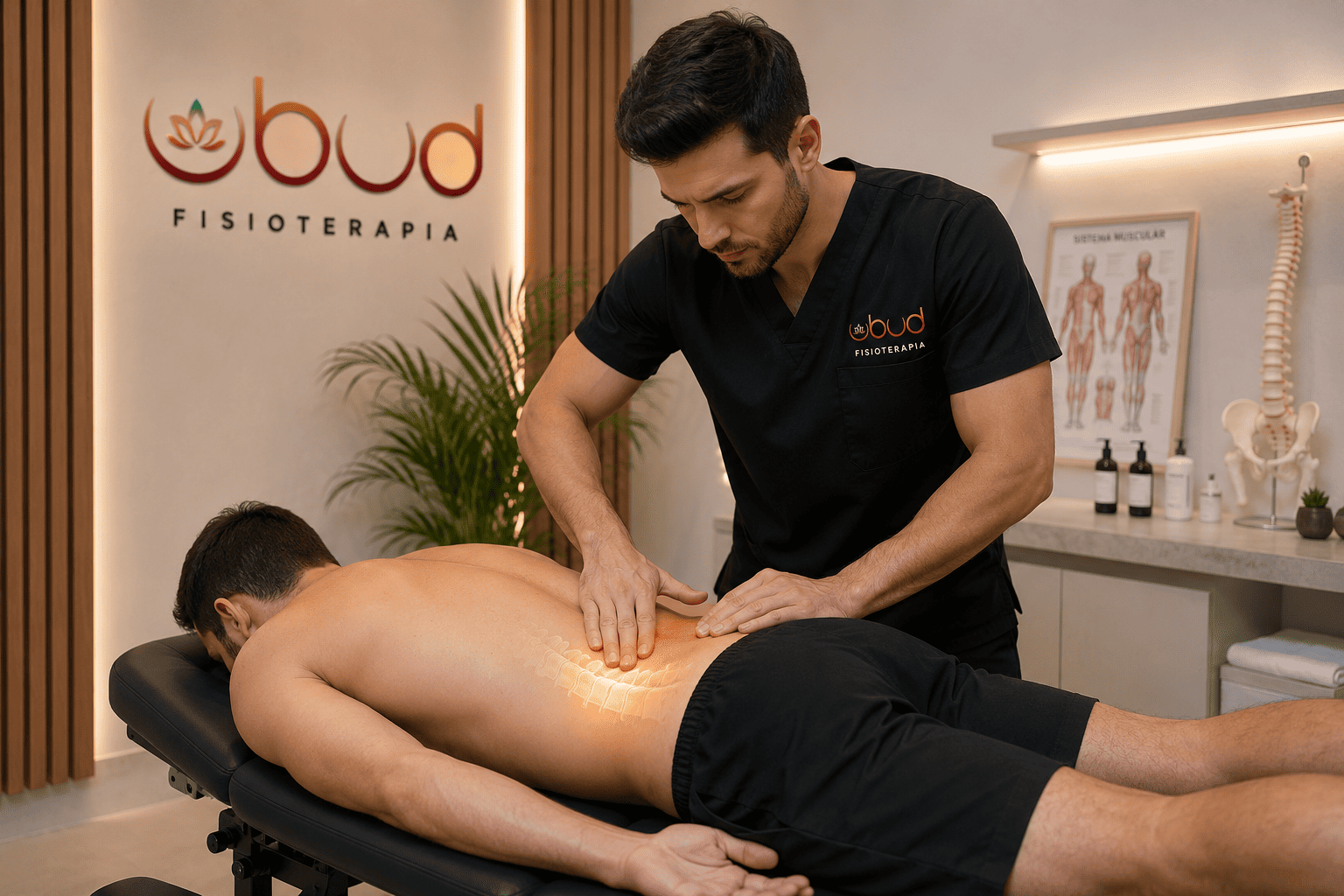
This is where physiotherapy makes the difference. Our physiotherapists work globally: a thorough assessment and clinical reasoning, manual therapy when it helps you move better, ultrasound if a specific area needs to be examined and, above all, therapeutic exercise tailored to you. Passive techniques can bring relief, but the goal is for you to gain autonomy and confidence in your body.
Why is sleep so important in fibromyalgia?
Sleeping badly increases sensitivity to pain, and pain worsens sleep: it is a cycle worth breaking. Some simple, safe measures:
- Regular times for going to bed and getting up, weekends included.
- Natural light in the morning and physical activity during the day, not right before bed.
- A light dinner, little caffeine after midday and no alcohol as a sleep “aid”.
- A screen-free wind-down routine and a cool, dark, quiet bedroom.
- If you have been tossing and turning for a long time, get up, do something calm in dim light and go back when you feel sleepy.
When insomnia persists, the treatment with the most evidence is cognitive behavioural therapy for insomnia (CBT-I). And if you snore, stop breathing for short spells or wake up feeling as if you are choking, sleep apnoea must be ruled out, as it can greatly worsen fatigue.
What role does diet play in fibromyalgia?
There is no specific diet that makes fibromyalgia disappear, and it is wise to be wary of anyone who promises one. Diet is a support: it helps you have more energy and look after your digestive health, weight control and the low-grade inflammation that accompanies many chronic conditions.
- A Mediterranean-style base: vegetables, fruit, pulses, wholegrains, nuts, fish and extra virgin olive oil.
- Enough protein spread throughout the day, which helps maintain the muscle mass you build with exercise.
- Fewer ultra-processed foods, added sugars and less alcohol.
- If you have irritable bowel syndrome, a low-FODMAP diet guided by a healthcare professional and for a limited time can reduce digestive symptoms.
- Check possible deficiencies (iron, vitamin D, B12) with a blood test before taking supplements on your own.
When should you see a doctor or go to A&E?
Fibromyalgia does not explain everything. See your doctor promptly if you notice:
- Fever, unexplained weight loss or night sweats.
- Swollen, red or warm joints, or morning stiffness lasting hours.
- Real weakness in your arms or legs, loss of sensation or changes when passing urine.
- Pain that clearly changes in character or wakes you up every night.
- Intense sadness, hopelessness or thoughts of harming yourself: seek help that same day.
Go to A&E or call 112 if you have chest pain, shortness of breath, sudden loss of strength or speech, or a sudden, very severe headache.
Frequently asked questions
Is fibromyalgia for life?
It is a chronic condition, but its symptoms fluctuate and many people manage to improve their quality of life with exercise, good rest and a coordinated plan. The course varies from person to person and depends on each assessment.
Is exercise bad for me if I am in pain?
No, as long as it is adapted. Moving at the right dose does not damage your tissues and, in the medium term, it is what helps most. The important thing is to start gently and progress without sudden jumps.
Can I have physiotherapy for fibromyalgia in Torremolinos?
Yes. Our team of physiotherapists in Torremolinos designs an exercise and movement programme coordinated with the medical consultation. If you would like to book an appointment, message us on WhatsApp.
Does Integrative Medicine replace my rheumatologist?
No. It works alongside your GP and rheumatologist, adding sleep, diet, exercise and lifestyle to the medical decisions already in place.
What is the first consultation like?
It is in person, in La Carihuela (Torremolinos). We review your history, your reports and blood tests, how you sleep, eat and move, and agree a realistic plan with you. Bring any reports and your list of medication.
Integrative medicine consultation in person at Centro Ubud (La Carihuela, Torremolinos) or online by video call. Book your first visit on WhatsApp.

Written and reviewed by the medical team at Centro Ubud, an aesthetic medicine, advanced aesthetics and physiotherapy clinic in La Carihuela, Torremolinos.
This article is for information only and does not replace an individual assessment by a healthcare professional.