
Physiotherapy · Torremolinos
INDIBA in physiotherapy in Torremolinos
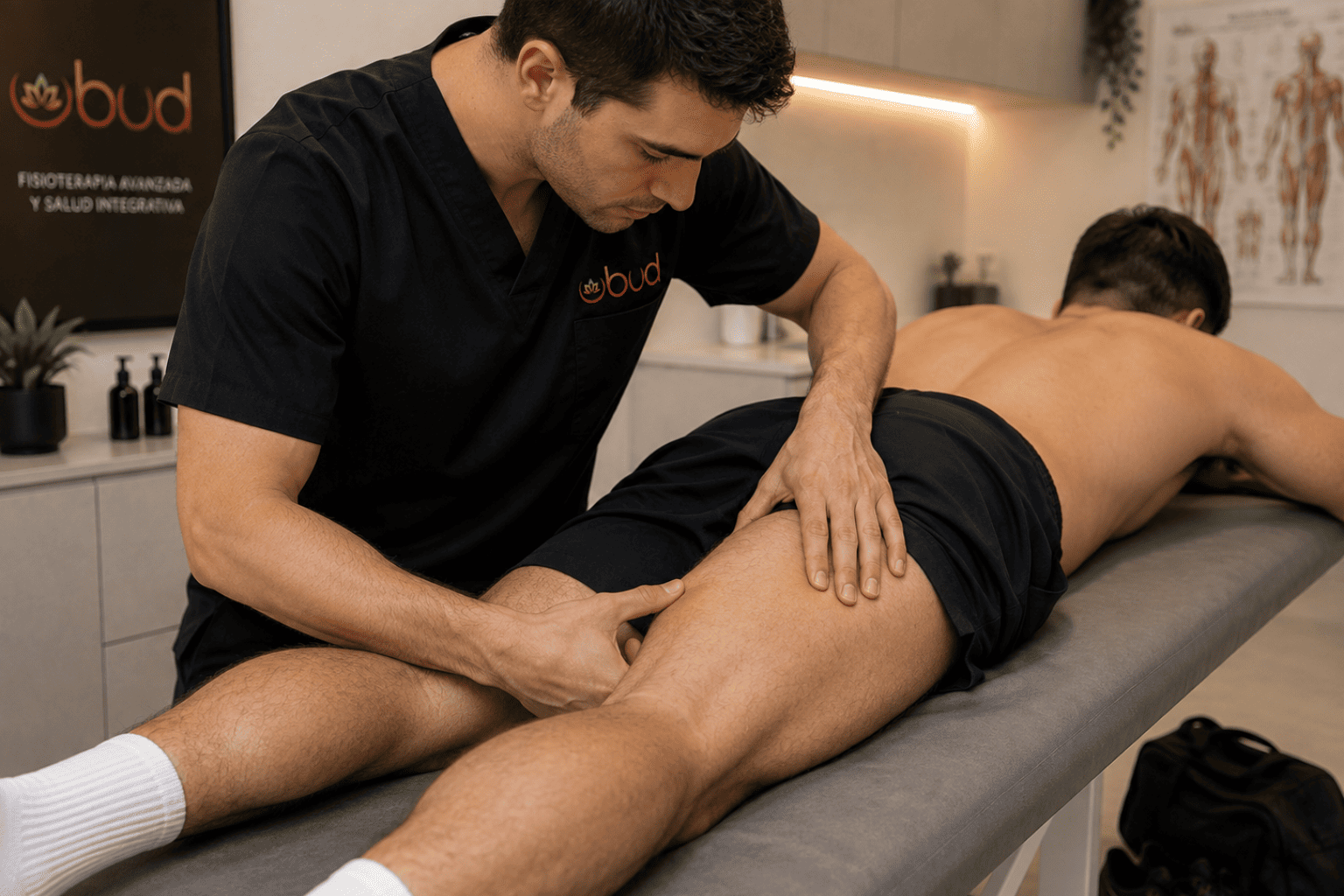
INDIBA radiofrequency is a useful complement for relieving pain and aiding recovery from muscle, tendon and joint injuries, always as part of an active physiotherapy plan.
- Free consultation
- Specialist physiotherapists
- Musculoskeletal ultrasound
- Therapeutic exercise
Technology
What INDIBA is and what it can offer
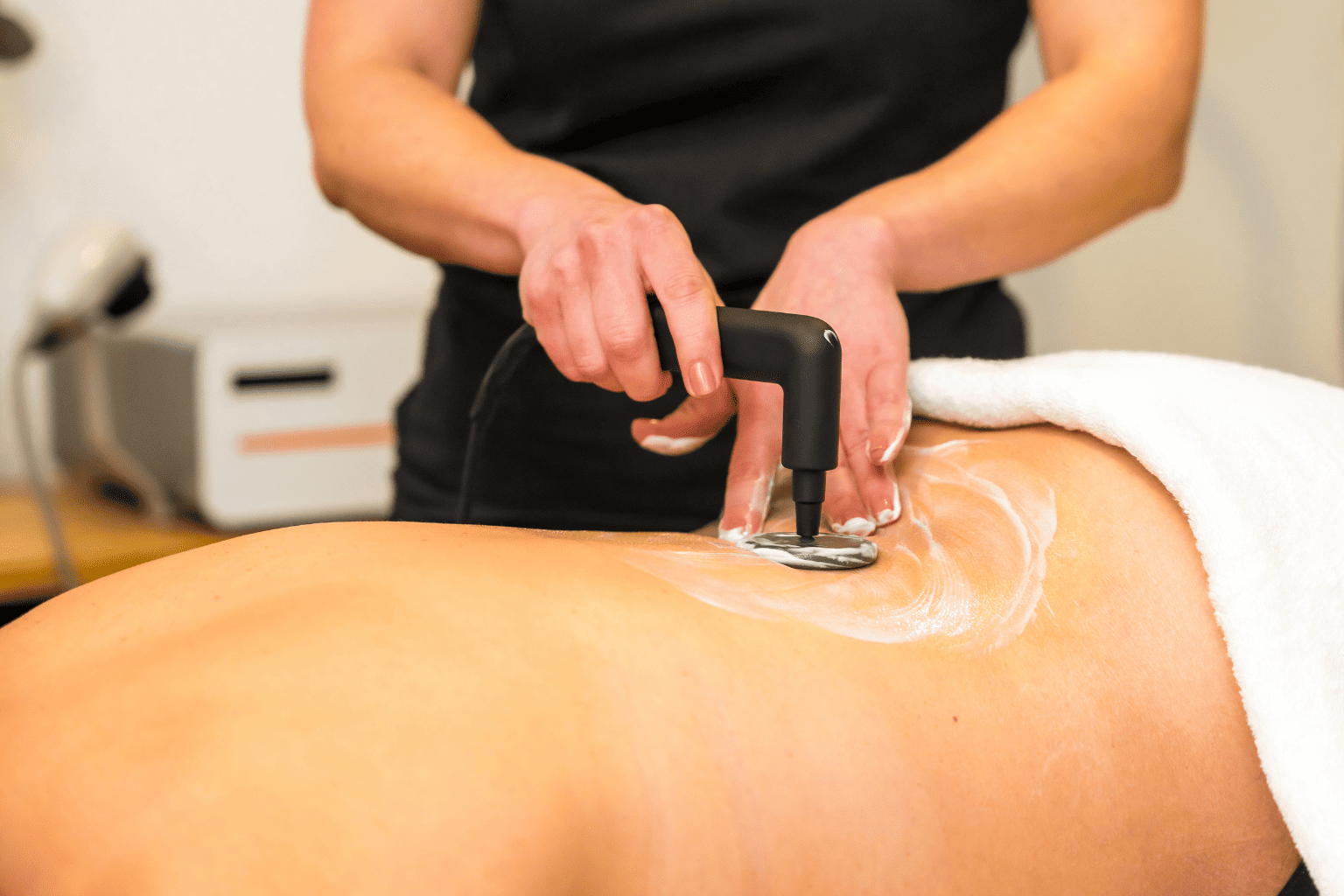
INDIBA is a radiofrequency device that passes a high-frequency current through the tissues via an electrode and a return plate. It works in capacitive mode, which acts mainly on superficial and soft tissues, and resistive mode, which reaches denser structures such as tendons, ligaments or joint areas.
Depending on the intensity, it can be used without any noticeable rise in temperature, in more acute or sensitive phases, or with gentle warmth in later phases. It is used to reduce pain, ease the feeling of stiffness and make movement easier, which helps you make better progress with exercise.
Let us be honest about its role: the available evidence supports its use as a complement for pain and recovery in some injuries, but it does not replace therapeutic exercise or good load management. That is why at Centro Ubud we do not offer it as a stand-alone treatment, but as one more tool within the plan.
It is a non-invasive, well-tolerated technique, applied by physiotherapists after an assessment confirming that it is appropriate and that there are no contraindications.
In a typical session, the physiotherapist glides the electrode over the area with a conductive medium while you lie or sit comfortably, adjusting the intensity according to what you feel. We often combine it with active movement or apply it just before exercise, so the reduction in pain is put to use in gaining strength and mobility. That way every session adds up towards the goal of getting back to your usual activity.
This treatment is for you if…
- You have a muscle or tendon injury that is recovering.
- You have pain or stiffness that makes it hard to do your exercises.
- You are in rehabilitation after a sprain or overload.
- You prefer to start with non-invasive techniques.
We do not apply INDIBA if you have a pacemaker or other implanted electronic device, during pregnancy, over areas with tumours, venous thrombosis, active infection or fever, or over areas with loss of sensation. If you have metal implants in the area, we assess it beforehand.
Applications
Where we use it

Tendinopathies
Support for pain while the tendon adapts to load.
Back and neck pain
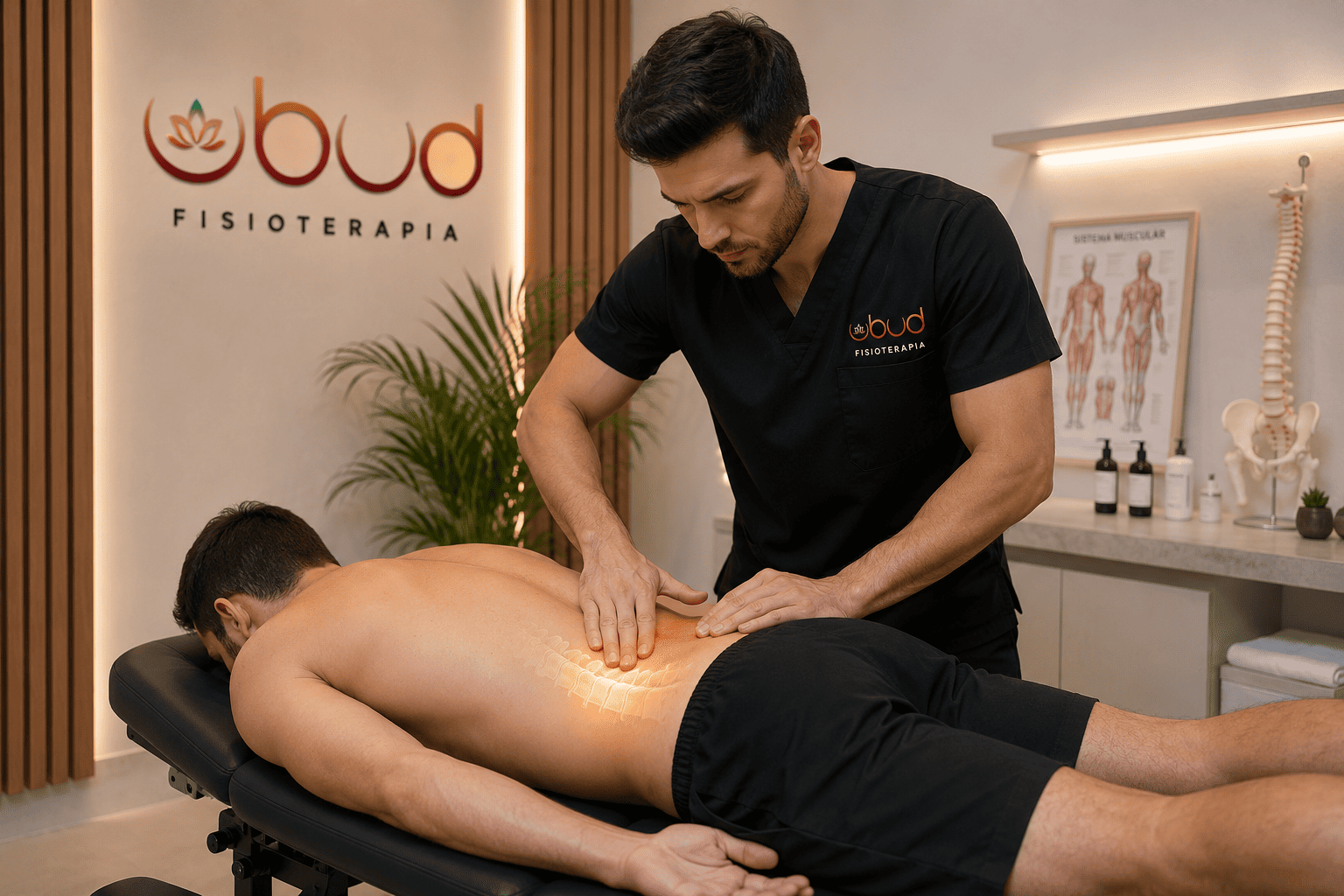
Reducing pain and stiffness to make movement easier.
Sprains and joints
Recovery after sprains and joint pain in the knee or ankle.
How it works
Your treatment, step by step
01
Free consultation
We examine the injury, check for contraindications and decide whether INDIBA adds value in your case.
02
Treatment plan
We combine INDIBA with exercise and other techniques, with an approximate number of sessions.
03
Active recovery
We use the improvement in pain to progress load and function.
Techniques
What an INDIBA session involves
A comfortable technique that we build into an active plan.
Capacitive
Soft tissues
Acts on muscle and superficial tissue with a gentle sensation.
Resistive
Dense tissues
Reaches tendons, ligaments and joint areas.
Exercise
Therapeutic exercise
The main component for restoring the capacity of the area.
See therapeutic exerciseCombined
Manual therapy
Sometimes we combine INDIBA with mobilisation or manual techniques.
Non-invasiveWell tolerated
ComplementWith exercise
AdaptableAcute or chronic phase
FreeFirst consultation
Frequently asked questions
Questions about INDIBA in physiotherapy
Does INDIBA treatment hurt?
No. Depending on the mode and intensity, you will feel gentle warmth or almost nothing. It should always be comfortable; if you feel excessive heat, tell us and we will adjust the intensity straight away.
How many INDIBA sessions will I need?
It depends on the injury and how it progresses. It is usually applied for a few sessions as part of the plan, not indefinitely. As the pain eases and you gain capacity, the focus of treatment shifts to exercise.
What is the difference between INDIBA and diathermy or conventional heat?
INDIBA uses a radiofrequency current that passes through the tissues, and it can also be applied without heating. Superficial heat only acts on the skin and nearby layers.
Can INDIBA heal an injury on its own?
No. It can help with pain and recovery, but lasting improvement depends mainly on exercise and adjusting the load.
Can it be used on recent injuries?
Yes, in its non-heating mode it can be used in early phases, always after assessing the injury and ruling out a fracture or other injury that needs medical assessment.
Is it the same INDIBA that is used in aesthetics?
It is the same technology, but with different goals and protocols. In physiotherapy we focus it on pain and injury recovery.
How much does INDIBA physiotherapy cost in Torremolinos?
It depends on your case and the recommended treatment plan. At the free consultation we give you a fixed quote with no obligation.
Where are you and how do I book?
We are at Calle Arenas, 12, in La Carihuela (Torremolinos, Málaga). Appointments are booked only via WhatsApp, and we see patients from Torremolinos, Benalmádena, Málaga and the surrounding area.
Centro Ubud · La Carihuela, Torremolinos
Book your free physiotherapy consultation
Tell us what you would like to improve and we will explain, with no obligation, which treatment suits you.
Calle Arenas, 12 · 29620 Torremolinos, Málaga · Get directions · Patient reviews
You may also be interested in
Related treatments
Sports injuriesGet back to training →Therapeutic exerciseActive treatment →Shockwave therapyTendons and fascia →Tendinitis and tendinopathiesPainful tendons →Lower back painLumbago and back pain →
All treatments are subject to a prior professional assessment. Results are individual and may vary from person to person. Centro Ubud is an authorised healthcare centre in Torremolinos (Málaga). NICA 64610. Clínica UBUD S.L. · CIF B56756158.